You’ve almost certainly seen it by now.
Thousands of Norwegian football fans, packed into a stand, sitting on the floor in the shape of a longboat. A horn sounds. A drum begins — slow at first, then faster — and as one, the whole crowd starts to row, arms sweeping back in unison, chanting to the beat like a Viking crew pulling for shore. The “Viking Row” has been the breakout spectacle of the 2026 World Cup, copied everywhere from Times Square to living rooms around the planet.
It’s magnificent theatre. But here’s the thing the cameras don’t tell you: the real Vikings weren’t a chant. They were here — on these very shores, in these very glens — a thousand years before a football stadium ever borrowed their name. And some of the best places to stand where they stood are within easy reach of Fort William. So if the World Cup has stirred something in you, let’s trade the stadium for the real thing.

So, What Exactly Is the “Viking Row”?
A quick word for the curious, before we head for the hills.
The Viking Row is a football chant made famous by Norway’s supporters at the 2026 World Cup. Fans arrange themselves like the crew of a Viking ship, a Norse horn calls them to order, and everyone “rows” in time to a quickening drum — a wave of motion rolling around the stadium. It’s the natural heir to Iceland’s spine-tingling “Viking Clap” from Euro 2016. And here’s a detail to enjoy: that Iceland clap didn’t come from Iceland at all — its roots trace back to a Scottish football club, Motherwell. The Norse and the Scots, it turns out, have been borrowing from each other for a very long time.
Feeling inspired to explore real Viking country?
Riz Taxi runs Highland heritage day trips to the west coast and beyond.
The Norse Left Their Mark on the Highlands
Long before the football, there were the longships.
From the late 8th century, Norse seafarers came raiding and then, crucially, staying — settling along Scotland’s west coast and islands, marrying in, farming, trading, and leaving a fingerprint on the land so deep it’s still visible today. It’s in the language, in the old family lines, and above all in the names. Look at a Highland map with Norse eyes and it comes alive: the glens and lochs and islands with their “-dale” and “-ay” and “-vaig” endings are quiet monuments to the people who named them. You’ve been reading Viking history all along without knowing it.
Where to Feel It, Starting from Fort William
You don’t need a history degree — just a sense of adventure and a good driver.
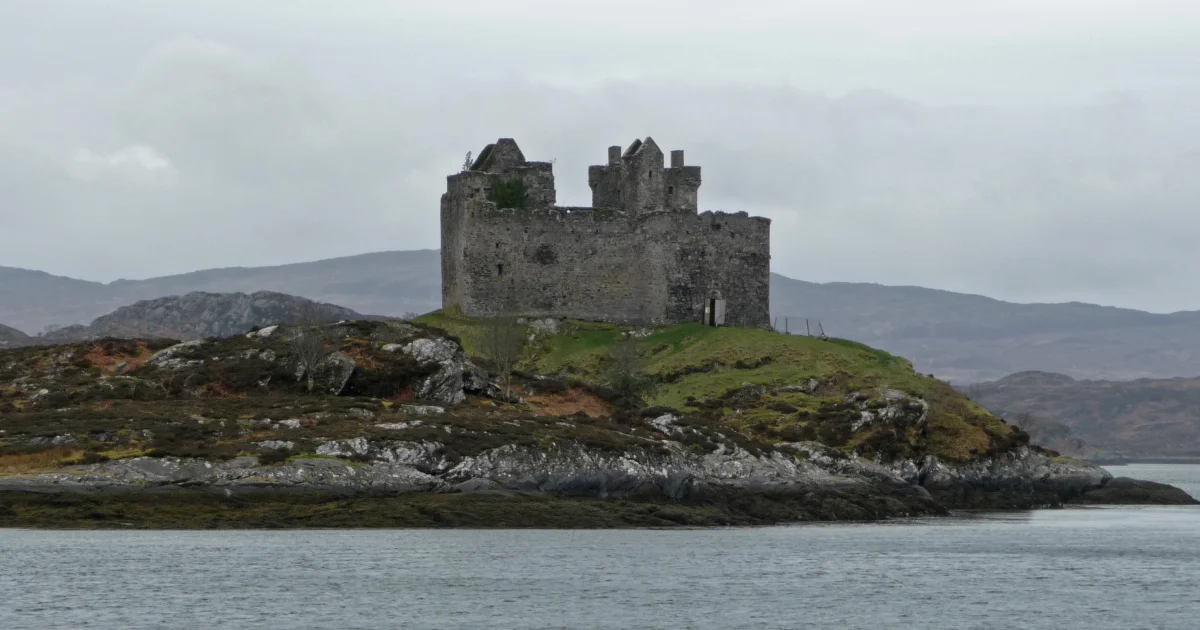
The west coast and Ardnamurchan. Cross on the little Corran Ferry and you’re bound for one of mainland Britain’s most remarkable Viking discoveries: a Norse boat burial, unearthed on the wild Ardnamurchan peninsula, complete with the fittings of a warrior sent to the afterlife in his ship. The landscape out here is raw and empty and utterly unforgettable.
The Isle of Skye. A day trip from Fort William carries you into some of the most Norse-soaked country in Scotland — even the island’s name comes down to us from Old Norse. Its history is a tapestry of Viking and Gaelic threads.
The Great Glen and the scenic routes. The same lochs and glens that once carried Norse travellers inland are now, conveniently, some of the most beautiful drives in the country. History and scenery, in one unhurried day.
Make a Day of It
The beauty of exploring this heritage is that it doesn’t feel like homework — it feels like the best kind of Highland day out.
Let Riz Taxi handle the ferry timings, the single-track roads and the long scenic stretches while you sit back and watch the country the Vikings chose roll past the window. Whether it’s the west-coast burial sites, the crossing to Ardnamurchan, or a full day on Skye, our tourist transport and long-distance hire get you there and back in comfort.
Ride the buzz to the real thing. Book a Highland heritage day trip with Riz Taxi — Call 07349 948977 or book online.